Showing posts with label health. Show all posts

Saturday, 16 December 2017

When There's Something in the Water

The drinking water on the Kapiti Coast is fluoridated and chlorinated. This time of year (summer) it smells like a swimming pool. Numerous health studies question the benefits of these chemicals for human health, and many suggest these chemicals are actively harmful. Studies show drinking chlorinated drinking water, for example, significantly increases your cancer risk, and I’ve blogged about the problems with fluoride before, see here.

When I lived in the Hutt Valley, I brought home drinking water from the artesian aquifer taps in Petone and at the Dowse, even though the tap water in the Hutt valley tastes pretty good. Hutt Valley water is fluoridated, but you can’t taste that. Now that I’ve moved to the Kapiti Coast, the Hutt Valley community taps are too far away for routine pick-ups. I’ve resorted to buying bottled water for drinking.

There are, of course various problems with bottled water. Not only are you paying for it, but the amount of plastic generated from numerous bottles of water used over a week is seriously disconcerting. And studies suggest plastic isn't a healthy container choice for your food or water. There has to be a better way.

One option would be a home water filter system, not so much to catch the bad bacteria that can lurk in our municipal water, but to filter out the chemical additives that make it “safe”. I had heard about stainless steel Burkey water filters, made in Texas, that sit on your kitchen bench and filter a couple of gallons of water every couple of hours. I know several health gurus absolutely love them (see Chris Wark’s video here, as an example). So I spent some time researching the Berkey site, and reading the data and filter results, and customer comments. Burkey claims their filters screen out not only bad bugs, but over 95% of chlorine and, if you add a fluoride filter, over 95% of fluoride. Berkeys are gravity-fed so don’t depend on electricity to run. Two filters are good for cleaning about 6000 gallons of water. What’s not to like?

Never one to rest on company data and promotion, I flicked over to Amazon and several other sites to read user reviews. I learned that filters need to be primed well, leaks sometimes occur if washers and nuts don’t make a tight seal (you assemble it yourself), and one reader was unhappy that her product from Amazon arrived with a dent in it. There apparently has been a problem in the past with the glue used on the filters failing, which Berkey says they have rectified. Some users conducted their own tests of water purification, and all seemed pretty happy with results. Overall, lots of 5-star happy purchasers.

I love the idea, and would appreciate the convenience of just using my tap water and getting a safer (in my mind) product with fewer chemical contaminates, and no plastic bottles. So what’s the catch? I started by looking for a NZ supplier. A google search (“Berkey water filters NZ”) kicked up TruWater who want NZ$469 for a Big Berkey with 2 black filters plus 2 fluoride filters. Serious moolah here!

Having never heard of TruWater, I wondered where they are located. The website showed an Auckland phone number but no address. I google again, and discovered their office is in New South Wales. On product review for Tru Water, I found 118 people rated them as “terrible” and 12 people rated them as “excellent”—only 4 sort-of in-be-tweeners rated the company as “bad”. Do they have 12 company shills? Um. Uh, nah. Not going there.

Maybe—I thought—I could just get a Big Berkey from the US through Amazon. Price check: US$416 including shipping and import fees. With the current currency exchange, that’s NZ$595. That’s even more serious moolah. Gah!

It seems to me that there must be a massive market for units like this. So many people like me want clean, fresh water without chemical additives, and without adding more plastic bottles to the recyclers, or having to have easy access to an artesian well. The units could also be used for purifying rain water from the roof, or well or creek water. If some enterprising Kiwi—and aren’t we known for our #8 wire mentality?—went into the business of creating home water filter units based on the Berkey concept, I’m sure they could undercut Amazon and have a very ready market. 


Meanwhile, I’m still buying supermarket water in plastic bottles (sigh!), and when I have an excuse to go to the Hutt Valley, I fill up my big glass bottles. I will start looking at jugs next...Seychelle maybe? But they're not easily sourced in New Zealand either, and the filters (expensive) have a really short life (150 gallons) compared to Burkey filters. Sigh again. Bit of a mine field, really.

Wednesday, 7 June 2017

Eating Meat

I want to start this post by saying that I am not a vegetarian. I grew up eating meat, all of my family eat meat, and most of my friends eat meat. A decade or two ago, I rarely thought about the meat I was eating. As a child I was uncomfortable with, even repelled by, the sight of deer carcasses hanging from the tree in the yard, but I always enjoyed the roast venison and succulent stews. My father killed them, my mother cooked them, and we had food on the table, for which we were grateful. I did not hunt myself.

Later, living on a lifestyle block in New Zealand, I hated the autumn kill day when our 6-month-old lambs began their inevitable transition from paddock to freezer, but I was happy enough to eat the barbequed lamb chops and those glorious, melt-in-your-mouth glutinous lamb shanks, slow-roasted in a rich tomato and onion gravy, served with a heap of buttery mashed potatoes and a side of peas. Ah! See how easy it is to transform oneself from animal carer to foodie in less than a sentence? (And we will choose to forget the cries of the ewe mums standing at the fence in the paddock adjacent to the killing pen, mourning the loss of their babies. It is what it is.)

But as I grow older (certainly), and wiser (perhaps), I find myself increasingly uncomfortable with the dilemma of caring for and about animals, and seeing them as intelligent and sentient beings with as much right to live—and potentially as much meaning in their lives—as I do/have, and then eating them. Meanwhile, the historically-touted health benefits of meat consumption have dwindled down in modern times to nearly—if not totally—negligible. Meat consumption is linked to heart disease, diabetes, and several cancers, especially bowel cancer, and concerns grow regarding industrial farming methods and the use of GMO feeds and livestock feed additives, antibiotic use, animal welfare issues, water contamination, and animal waste.

“Does a cow value its life more than I enjoy a barbeque?” asks conservationist Damien Mander in this TED talk, and I think this is a question worth pondering. Because that’s what it comes down to.


More simply, a small child stages an act of defiance, crying “I won’t eat animals” and offering the persuasive argument "they don't really like being cooked" in this popular you-tube clip. (It's cute. Watch.)

Me? I don’t eat much meat anymore. I don’t even like it much anymore. I can no longer totally divorce in my head the meat on my plate from the animal that was killed to become this food ingredient I don’t need for my own health or survival or well-being. Still, when eating with friends, perhaps at someone’s house or at a restaurant without appealing vegetarian options on the menu, or when travelling, I will—mindfully—enjoy that roast lamb or Thai beef salad or cassoulet with chorizo. I am a bit of a “foodie” after all. And I’m not giving up my occasional (once a month or so) fish’n’chips anytime soon, though I include fish in my head as “animals”. But my own meat consumption is definitely down to “occasionally” and “mindfully”. It’s a compromise position.


Just my thoughts. Each of us will make our own choices, after all. 

Tuesday, 30 May 2017

When Language Gets Hijacked

In New Zealand at the moment there is a big ecological push to flush out and exterminate the country’s “predators”. I put the word in quotes because, by dictionary definition, a predator is “an animal that hunts, kills, and eats other animals.” Animals like lions, tigers, wolves, hawks, and owls might spring to mind. Implied in the word is a connotation of “dangerous” and “bad”.

Brushtail Possum, photo from Wikipedia
In New Zealand, however, the word “predator” is coming to mean any animal not native to New Zealand, regardless of its diet, which is assumed to be harmful to New Zealand’s indigenous flora and fauna. This, oddly enough (if you honour the traditional definition) includes brushtail possums, rats, deer, feral pigs, and magpies, as well as stoats and feral cats (which are “true” predators), but NOT native hawks or owls or tuatara or insect-eating fantails and weta (large indigenous insects themselves) which are also “true” predators.

It bothers me when a word is hijacked by politicians or marketers and given a new meaning that is simply accepted by the public, usually opening up opportunities for somebody to make a whole bunch of money. In this case, it’s the chemical poison industry, who get to drop tonnes of 1080 baits over New Zealand’s forests every year, and manufacture and lay brodificoum and cyanide ground poisons. That’s great for not only production but also employment—people’s jobs are on the line. The latest political splash, which has gained some notoriety around the world, is a plan to make New Zealand “predator-free” by 2050—and they’re not talking about lions and tigers. Or tuatara or wetas or native hawks.

I have some pretty strong thoughts on the roles of various animals in natural ecosystems, but this post is about language use, so I’ll leave that issue for another piece of writing. Instead, I’d like to bring up another personal language “peeve”.

Photo from CBS article linked in text.
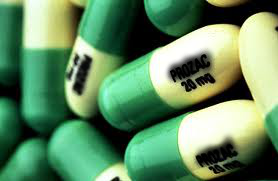
The word “antidepressant” first appeared in 1959 in the New York Times to describe two new drugs, imipramine and ipronazid, which appeared to ‘reverse psychic states’. This appealing word took the world by storm, and was soon on the lips—and in the advertising--of every pharmaceutical marketer wanting to market new drugs. Clinical trials, almost all run by the drug companies who make the drugs, all showed limited benefit over placebo (a fake “med”) of their “antidepressants” and often a bevy of side effects to boot, but when a drug was marketed as an “antidepressant”, both patients and doctors were eager to buy and try. After all, nobody wants to be depressed, right? Today we know that antidepressant drugs can make depression worse in the long term, and can even cause suicidality, but the power of the word, and the idea that something can easily fix depression is so powerful that few people can even grasp the idea that an “antidepressant” may not be—in dictionary terms—an anti-depressant at all.

These examples aside, I accept and appreciate that our language is an evolving entity, and that dictionary definitions are not created by word police but by us, ourselves, with our language usage. I’m not bothered by new words that creep into everyday conversations and, eventually, make it into dictionaries like lol, app, and google as a verb. Nor am I usually bothered by words whose meanings change, often dramatically; think gay, ace, cool, and hot for starters, though I still snag sometimes at mother.


On this theme of our changing language, and to end this post on a positive and more generic note, this link goes to an interesting list of 20 common words (i.e., nice, awful, fizzle, wench) whose meanings have significantly changed over time, and an excellent TED talk on language change from Ann Curzan. 

Sunday, 28 May 2017

Gut Bacteria Influences Health and Well-Being

Gut bacteria photo from the article on the link between
anxiety and gut bacteria (linked left)
There were several posts that came up on my Facebook feed this morning about gut health and various illnesses. One linked bipolar “disease” to an unusual and deficient gut biome while another one explored the link between the gut biome and Alzheimer’s. Neither of these diseases were common 100 years ago. And here's a slightly older story on the link between gut bacteria and anxiety.

So what is happening in our digestive tract now that wasn’t happening in the past?  It’s fairly obvious that we have a lot of processed foods in our diets that our grandparents and great grandparents never ate. Food additives—artificial colours, artificial flavours, flavour enhancers, preservatives, mouth-feel/texture ingredients—are often identified by numbers on food packets, or disguised as something else. “Flavour” sounds less alarming than “artificial flavour,” “brown rice syrup” sounds healthier than “sugar”, and hydrolyzed vegetable protein sounds fairly benign but it contains MSG (monosodium glutamate), a “nasty”.  Those are fairly obvious things.

Then we have packaging. Everything these days seems to come in plastic bags or wraps: snacks, breakfast cereals, pet foods, fresh meat, fresh vegetables. We have plastic-lined cans, plastic lined boxes, plastic milk containers and plastic juice containers. Buying a cooked chicken at the supermarket deli? Bet it comes wrapped in hot plastic. Yes, we even cook in plastic, from microwaving in plastic containers to frying meat in Teflon pans and baking muffins in pink silicone “tins”. Besides being a disaster for our landfills and rubbish dumps, there is growing concern about the impact of the leaching of harmful molecules from plastic food wraps, containers and cookware into our food and bodies. The jury is still out, but long-term accumulation of toxins from plastic in the body seems likely.

Meanwhile our commercial food crops are grown with a bevy of toxic chemicals: weed-killers and pest-killers are scattered and sprayed over crops, sometimes shortly before harvest. For example, some farmers actively spray their wheat and potato crops with glyphosate (RoundUp) before harvest to make harvesting easier and more profitable. They call it “desiccation;” which sounds less ominous than poisoning--the power of vocabulary. The plants take up these poisons systemically and retain it, and it doesn’t wash off. Even the chemical fertilizers used to encourage growth in tired soils are toxic.

Think meat and dairy products are better options? That all depends upon what the animals have been eating. GMO corn and soy are common ingredients in animal feed (probably including what you’re feeding your dog or cat), and even “grass fed” beef and sheep are sometimes grazed on sprayed pastures. Food animals are also treated with antibiotics, chemical wormers and drenches, and some may be given growth hormones.

Our water, too, is contaminated with chemicals. Chlorine (which kills bacteria, including the bacteria in your gut) and fluoride are the two most talked about chemical additives in our tap water. Chlorine kills not only the bad bacteria, like e coli, that may be lurking in our water, but also the good bacteria in our digestive tracts.

And the pills we take to fix our various ailments also alter our gut bacteria. Antibiotics are notorious, of course (killing bacteria is their job), but most drugs alter the gut biome.

Our whole economic system is geared around making a profit, not around enhancing human health, and the chemical companies reign. While most foods and products we buy are not toxic in a single-serving sense, years of accumulated toxic load on our systems may affect all of our organs, and even single servings may have temporary or longer-term effects on gut flora and fauna. And we need all those eager little gut bacteria to stay healthy and digest our food. 

There are, of course, a few things you can do right now to make a difference. Buy organic food products as much as you can or grown your own food. Avoid “junk” food and highly processed foods. Do your own cooking. Don’t cook in plastic, and limit the amount of plastic used in contact with foodstuffs. Use filtered water if you can. Don't take drugs you don’t really need. Avoid, or at least limit, your own chemical contamination.

Ultimately, though, the system needs to change if we want to live in a world where making healthy, natural choices isn’t dependent upon personal awareness, education, and financial situation. Awareness is growing. And that’s a good start.


Monday, 30 November 2015

The Dirty Face of Dairy


The dairy industry has been in the spotlight in New Zealand over the past few days following the broadcast on TV One’s Sunday program that showed shocking footage of calf abuse at the hands of farmers, truckers, and abattoir workers. Obtained under cover by animal rights group SAFE, the footage shows newly born calves being separated from their mothers; held in roadside holding pens for hours without shelter, food, or water; being manhandled (thrown in many cases) onto trucks; and then thrown, beaten, and bashed in abattoir stock pens. (WARNING: these clips are disturbing.)


Photo from SAFE website

The revelations have understandably caused a public outcry, and outcry from many farmers too, who claim to run caring and humane dairy farms. While New Zealand’s biggest dairy company Fonterra insists animal welfare is a priority for them, and the Minister for Primary Industries Nathan Guy says they have commenced an investigation (albeit, two months after they were given the footage and not, apparently, before it became public), the issue brings some home truths to the New Zealand public.

While this kind of animal abuse is profoundly disturbing and probably not the norm on dairy farms in general (although it may be at many abattoirs), there are numerous issues raised by the dairy industry that are less obvious. The basic truth is:  to create the milk in our fridges, our ice cream, yogurt, and toasted cheese sandwiches, cows must be impregnated yearly and their calves must be removed from them (almost always within the first 24 hours) so that we can harvest the milk that nature intended for the calves. Many of those calves are superfluous to requirements, being either male or of a breed not suitable for meat production such as Jersey, and thus they are killed when just a few days old. We call them bobby calves (regardless of sex). Most go into the pet food industry.

Dairying is hard on cows too. Heifers (female cows that haven’t yet had a calf) can be bred 9-12 months after they are born. Dairy cows will have several annual calves, and when their milk production drops after a few years because they are worn out, they are sold off to the meat works. Milking normally occurs once or twice a day, not more often as it would be with a calf at heel. Mastitis is common. Modern pasturage rarely allows cows to pick and choose what plants they want to eat. And as for the issue of calf removal, it is well known that cows and calves both find this process stressful even if done “kindly”, and some cows mourn the loss of their baby for days after the separation—a cow’s maternal instinct is huge. (And they’re smarter than we often give them credit for—see this story of a protective motherly cow who hid her calf--spoiler: happy ending.)

Most of the public is so far removed from the farm gate that, other than knowing that milk comes from cows, little thought or awareness is given to the actual process. I have a cousin in the US who told me once that she’d never eat lamb or veal because she doesn’t want to eat baby animals. She has no hesitation, however, in dowsing her strawberries with cream or pouring milk over her corn flakes, oblivious to the distress caused to both cow and calf by the dairy industry. Another example: a friend, upon hearing about the current NZ dairy exposé, said that she considers herself an intelligent, well-educated woman living in a dairy-exporting country and yet she’d never really realized that cows have to get pregnant and have a calf every year to provide our milk.

Dairying in New Zealand picks up a pretty bad environmental rap too. Run-off from dairy contaminates land and waterways, and there are no easy answers to this issue unless cow numbers are reduced, and that’s not good for profits—money remains the trump driver here, as it does in all industries. This article seems to advocate the popular American concept of housed cows rather than pasture-feeding as a possible solution for New Zealand. Ultimately dairy, along with other livestock production, is environmentally unsustainable as a growth industry in the long term. I really have to do a plug here for the excellent documentary “Cowspiracy” which certainly affected my way of thinking when I watched it a month or two ago.


There is also a growing contingent of health professionals who are questioning the health value of including dairy in our diet. If you do want to continue consuming dairy products, organic seems to be the way to go—not necessarily less cruel, but almost certainly healthier.

Lastly, if a growing awareness of the cruelty and/or environmental issues generated by the dairy industry bothers you, or you are concerned that you’re consuming more dairy products than are good for you, there are alternatives. While I’m not ready to go totally dairy free myself, I’ve found it easy to cut back on dairy consumption. Milk is easy to replace, as is ice cream. Cheese is a little harder, as is yogurt, and margarine is no way a healthy substitute for butter (but try coconut oil or olive oil for cooking). If going cold turkey on dairy won’t work for you, try cutting down. Try rice milk or almond milk or coconut milk on your cereal and in your smoothee.


Dairying is an industry. The cow has become a production unit. Her calf is a by-product. We as consumers don’t have to support this framework and ideology. Just because we’ve [seemingly] always done it this way doesn’t mean we need to continue to do so. Think, before you drink, and let your choices be conscious ones.

Monday, 11 May 2015

Rotten Tomatoes

Like most folks, I’ve carried around this sort of vague idea of how genetic engineering works, with images of white-coated scientists bent over their super microscopes, physically cutting and splicing gene sequences between species to create new varieties. Authorities proclaim them “safe”, anti-GMO folks say they’re not. I climbed on the anti-GMO bandwagon not so much because of safety concerns over GMOs themselves—after all, the US FDA (Food and Drug Administration) tell us they are “Generally Recognized as Safe” (GRAS)—but because they entice farmers to overuse agri-chemical killers (herbicides and pesticides) that many GMO plants are altered to resist.

Reading Steven Druker’s new book “Altered Genes, TwistedTruth: How the Venture to Genetically Engineer Our Food has Subverted Science,Corrupted Government, and Systematically Deceived the Public” has been a profound eye-opener. I think the story from the book that best encapsulates for me the danger, not only of these foods, but also the danger of the cavalier attitude of authorities that are supposedly responsible for our food safety, is the story of Calgene’s Flavr Savr™ tomato. I’d like to briefly share that tale here.

Back in the early 1990s when genetic engineering was in its infancy, California genetics company Calgene (later acquired by Monsanto) took on the tomato. It was well known that consumers preferred vine-ripened tomatoes, but by the time ripe tomatoes were picked, processed, packaged, transported, and landed on supermarket shelves, they had often gone soft. Tomatoes picked green stayed firm, but lacked flavour. Calgene tackled this problem with genetic engineering.

Calgene scientists modified their tomatoes by supressing the PG enzyme that causes fruit to go soft. They did this by copying out that section of the enzyme gene and reversing it, then reinserting the flipped segment back into the enzyme with the aid of the 35s promoter from the cauliflower mosaic virus. (That detail isn’t all that important, except to point out that the process of genetic modification is far more complicated than most folks realize.) The new tomato looked good.

The US FDA encouraged Calgene to do a safely trial on rats, so they did. In that first 28-day trial, some rats ate the GE Flavr Savr tomatoes, some ate ordinary tomatoes, and some ate no tomatoes at all. At the end of the trial, they found that 10% (4 out of 40) of the rats who had eaten the Flavr Savr™ variety had developed stomach lesions (bleeding) while the others hadn’t. Fluke? They hoped so. They tried the test again, and this time 20% of the Flavr Savr™ rats had stomach lesions. So they tried the test a third time, and this time, again, 20% of the Flavr Savr™ rats had stomach lesions, but so did a few of the non-Flavr Savr™ rats. Understandably concerned, the researchers took their results to the FDA.

Some of the scientists at the FDA who looked at the results expressed their serious concerns about the safety of these tomatoes too, but while they were considering what to do, the administrative branch of the FDA brought in a new ruling stating that GM foods were to be considered GRAS (Generally Recognized as Safe) and that safety studies involving animal test subjects need not be done because GM foods are, by definition, “substantially equivalent” to non-GM foods and therefore need no pre-market approval (1992).

Since animal testing was no longer required, results of these rat tests on Flavr Savr™ could be ignored. The FDA ruling allowed Calgene to proceed with Flavr Savr™ production, and Flavr Savr™ tomatoes were brought to the market in 1994 as a premium-price product. They were discontinued in 1997, ostensibly due to Calgenes "inexperience in business."

There is an even more frightening kicker here. In the Flavr Savr™ study documents, there is a small endnote that reports that 7 rats of the original study DIED within two weeks of consuming the tomatoes. The researchers attributed the deaths vaguely to “husbandry”, and replaced the dead rats, apparently DURING THE TRIAL PERIOD, with fresh, healthy rats. Rather than being investigated, this astounding revelation and violation of standard testing practice appears simply as a note in the study.

The Flavr Savr™ tomato did not survive in the marketplace, but the FDA precedent set—that GM foods do not require animal testing because they are assumed safe—and safer than food additives, which do require testing— has survived. I believe this assumption is profoundly disturbing.


I highly recommend Steven Druker’s book. Druker is a public interest attorney, and although at times the book reads more like a legal argument than a general-interest or scientific analysis, it is clear he has done his homework. He helped initiate a lawsuit against the FDA forcing them to release their files on genetically engineered foods, and his specialty area of expertise is food safety.

Sunday, 10 May 2015

Food Matters


Most of us in the Western World sort of take food for granted. And most of us assume the foods we eat help us to stay healthy. We hear about the dangers of “junk food”, of course, and are reminded that fats and sugar are naughty, and we may limit our salt intake, and pop a few vitamins, but most of us assume that what we eat, assuming we don’t live on Coke and French fries, is generally okay.

But I think there’s a quiet revelation AND a quiet revolution taking place. More and more, folks are starting to ask questions like

·         Is industrial-farmed food really good for us? As good as it can be?
·         Are the old food guidelines still accurate?
·         What about genetically modified food?
·         What about herbicides and pesticides on/in our food?
·         What is this acid/alkaline business?
·         Should I be eating organic? Or is that a waste of money?
·         What about probiotics and bacteria in the gut?
·         Why is gluten such a big deal these days?

I’ve gone to eating more and more organic foods. I’m not being fanatical about it—price and convenience still matter—but where I can make organic choices easily and within budget I do so. I also recognize my buying power as a consumer to make a statement saying “this is food I want”. Why go organic? Well, this tends to mean less/fewer/no chemicals in/on the food, supporting growers who care about the soil and land as well as selling a product, and if not necessarily a significantly healthier product than that produced by industrial farming, at least organic foods are not a less healthy choice.

I’m also reading about GM foods (and don’t much like what I’m reading), getting increasingly concerned about the long-term (and usually subtle) negative health effects of food routinely sprayed with chemicals (and how that is affecting our environment), exploring new theories on the negative impact of foods that makes your body too acidic, and taking a real interest in the important role of gut bacteria and how the foods we eat affect that.

This post is just a first pass on these topics, just raising the issues. Over the next couple of weeks, I plan to do individual posts on each of these topics. I’ll keep you “posted”. 

Monday, 13 April 2015

Fat Versus Sugar

Both of these bad boys (sugar and fat) have a bum rap, so it’s not surprising that the BBC Horizon show took it on to compare and contrast them. They found two identical-twin doctors and for a month, put the lads on contrasting diets. While one doc only got to eat sugary and high-carb foods, the other spent his month chowing down on all the meat, fat, and dairy products he wanted. While it made for a moderately-entertaining program, there were some unexpected surprises in the results.
The Diet Docs: Chris & Alexander van Tulleken
 The two docs were tested before, during, and after the month, and here’s a brief summary of some of the things they found. 

--The doc on the high-sugar/carb diet performed better than his high-fat-diet brother during the month on all activities requiring intense concentration or physical exertion. Whether playing to win an intense stock-market simulation game or pedalling their bikes uphill, the sugar-diet doc cruised while the fat-diet doc struggled.
--The doc on the sugar/carb diet was happier and more upbeat than his high-fat-food brother.
--Neither diet had any effect on cholesterol levels.
--While the sugar-diet doc lost a little weight over the month, the fat-diet doc lost a whopping 4 kilos (9 pounds). The bad news is that half of that was muscle-loss.

I don’t think it was quite a fair comparison, however, because the sugar/carb doc got to include fruit and vegetables in his diet, while his high-fat brother did not. Not only are fruits and vegetables nutritional powerhouses (too long on a no-fruit/veg diet could have left Fat Food Doc with scurvy, for example), they provide fiber necessary for proper gut and bowel function. So I think it would have been a more meaningful contest if Fat Food Doc had been allowed at least some salad greens.

The program went on to talk about some of the actual scientific studies done on the fat vs. sugar diet issue. One study involved rats. They found that rats fed sugary diets, like rats fed fatty diets, did not overeat or gain weight. However, offer the rats cheesecake or ice cream, where high levels of fat and sugar are combined in a tasty way, and they turned into rodent blimps in no time.

While I can’t seem to find a link to the whole doco on the net, this write-up about the experiment by twin-doc Alexander van Tulleken (the fat-diet Doc) is interesting. 

Fortunately, managing our diets for optimum health isn’t an either/or proposition. Some fats are essential for good health; nutritional power foods like whole grains, fruits, and vegetables are essential for good health; and a moderate intake of a whole variety of foods coupled with daily exercise may sound like old, boring advice but it still stands up as a sound strategy. Just remember to go easy on the cheesecake. 

Wednesday, 5 November 2014

Poisoned Possums in the Hutt River

I feel like I’ve written more than enough blog posts about 1080, a shorthand term for the toxic chemical sodium fluoroacetate, that is routinely and deliberately spread by aerial means across large expanses of New Zealand forests, ostensibly to “manage biodiversity” by killing pests, most specifically possums, rats, and stoats. Yet I am compelled to write yet another post.

Signs have just gone up (it’s the beginning of November 2014, but I think they appeared just in time for Halloween—a grisly “treat”) along the Hutt River that runs through my community of Lower Hutt and discharges into Wellington Harbour. They warn dog owners to keep pets on leashes to avoid contact with poisoned carcasses that may be washed down the river following rain as a result of an aerial drop of 1080 poison upstream. Dogs are particularly susceptible to 1080 poison, so any canine that might happen to find and chew on a dead possum is at serious risk of death. There is no antidote. 

While posted warnings for dog owners are prudent, I’m bothered by the fact that the Greater Wellington Regional Council has been so quiet about this 2014 drop over Kaitoke Regional Park and the Hutt River catchment area (some 10,000 hectares—25,000 acres—at a rate of 1.5 kg of bait per hectare) that I didn’t even realize was happening until it was all over, and I reckon most other folks didn’t know about it either. Indeed, it took a little bit of detective work on line to find this PDF file put out by the Greater Wellington Regional Council, and the fact the poisoning in this area began 30 September (see here).

The Hutt River catchment supplies about half of the public water for Wellington and the Hutt Valley. The above PDF file offers the rather limited assurance that public water will not be taken from the Hutt Valley catchment during the poison drop nor immediately after it. Presumably by the time the carcasses of dead animals might be washed far enough down the river to poison dogs, it will be okay for us to drink the water from this catchment again.

Hunters are also warned not to take game (deer, pig) from the drop area or within several kilometres of the drop area for at least four months. They haven’t mentioned trout from the Hutt River, popular with anglers, but elsewhere in the country, anglers have been warned to not eat trout caught in water contaminated by 1080 or 1080-poisoned carcasses. Presumably the same goes for eels.

People and dogs play in the Hutt River.
The beautiful Hutt River not only supplies our drinking water, it is a beautiful river running through the heart of a major suburban area. Families, kids, dogs, and anglers love the river as a place to play, picnic, swim, and fish. The water from this river runs through our taps. Assurances that they won’t use this water “during or immediately after the 1080 drop” isn’t very reassuring when anecdotal reports suggest 1080 baits can lay around for weeks after a drop.

Water quality in New Zealand is a hot political issue. With 60% of our monitored rivers deemed too polluted to swim in, let alone drink, and 2/3 of our freshwater fish at risk (see here), it seems daft that adding more toxin to the mix is not only done deliberately, but done without free public debate.


I think it’s sad that Hutt River users this spring need to be wary of poisoned carcasses washed downstream by the rains. I think it is worrisome that our public drinking water is potentially compromised. I think it’s concerning that this all happens seemingly on the quiet. And I think it is seriously time for out-in-the-open public debate about these issues.

Monday, 25 August 2014

It All Started with Antidepressants


It all started with antidepressants about ten years ago. Oh, I wasn’t the one taking them, but several close friends and family were. And the funny thing I noticed was that not only did the antidepressants not seem to be helping, but they seemed to make things worse! The users claimed they helped and said they felt better, but I observed yawning and tiredness nearing exhaustion in one, self-harming behaviour in another, and a complete inability to cope with normal, everyday stresses in a third. And then, within two weeks of a dose being doubled, two consecutive suicide attempts. Alarm bells went off.

It got worse when one of these people decided to quit taking the antidepressants. Following advice to decrease slowly, pills were quartered. The first drop (1/8th of the prescribed dose) resulted in increased anxiety, unexpected mood changes, irritation and anger over inconsequential events, and physically, nausea and vomiting. This passed in a couple of weeks. A month or so later, and another quarter of a pill drop. The same result, only withdrawal symptoms were more marked. The third ¼ pill drop a month after that brought on intense, irrational anger coupled with thoughts of suicide. He remarked (and I wrote this down), “Why should I be so angry she wants to spend some ridiculous amount of money on that? It’s a stupid thing to want to do, but why should that make me want to kill myself? This is bizarre!”

And this wasn’t the “suicidally depressed” response you imagine, where someone is so down and out they see no possible future. This was a volatile suicidality coupled with anger that appeared seemingly out of nowhere, materializing in less than a day, sparked by a minor and relatively impersonal event, and clearly linked to the lowered dose of the antidepressant. Even in the midst of feeling suicidal, he recognized the absurdity of the feeling even while acknowledging its intensity. In a few days, the suicidal inclination had passed, but it was seriously scary while it occurred.

And so began my research and mini-crusade on antidepressants. When asked if we’d be willing to share our experience with researcher Rachel Liebert, then a student at the University of Auckland, Simon (not his real name) and I agreed. I was so impressed with Rachel’s project—which culminated in her thesis Medicate Me Into Madness—that I was inspired to return to university and do something similar. (The above link to Rachel's thesis is not direct, but you can apparently access her thesis through a New Zealand library.)

My master’s thesis, CollateralDamage: A Mixed Methods Study to Investigate the Use and Withdrawal ofAntidepressants Within a Naturalistic Population, was published in 2010. Several people who read it, including my advisor, encouraged me to develop and publish the first portion of the thesis, on the history of antidepressant use and development, as a book or part of a book for a more popular (less academic) audience.

My new book
Reframing Mental Illness is the result of that suggestion. In it, I have gone beyond the antidepressant story to look at treatment of/for the mentally ill in general, and how that has developed historically. For many folks, the realization that psychiatric drugs are developed and marketed not so much to solve people’s problems as they are to grow a market and increase sales and profits for corporate shareholders is an eye-opener. (For more on this, see my post Mental Health Drugs are Big Business.)

And it’s not as if anti-depressants and anti-psychotics and ADHD meds like Ritalin--which may or may not work--are harmless placebos either, although side effects may not be a problem for everyone. The astonishing thing is, though, we as a society have bought the story of brain-chemicals-gone-amuck to explain our mental dis-eases and dis-comforts with no scientific evidence whatsoever to back up the theory (although the pharmaceutical companies trot it out regularly).

The second part of the book considers alternative viewpoints (frames) for understanding mental dis-ease (and that’s dis - ease as in “without ease”) and suggests a whole range of useful approaches to resolve the many problems we tend to throw in the mental basket. From practical techniques borrowed from  EFT (Emotional Freedom Technique), hypnosis, and NLP (Neuro-Linguistic Programming) to understanding body energy, quantum energy fields, priming, emotional intelligence and our three brains (head, heart, and gut), this is a book designed to get you wondering about why we are so quick to throw up our hands crying “victim!” and hand our mental health care decisions to our doctors who, while well-meaning, are mostly likely to pull out the prescription pad and send us home with a bottle of pills because its cheap and quick.

This is my first book, and I’m pretty pleased with it. I’ve published through Amazon with CreateSpace and Kindle, which means I didn’t need to find a publisher, I’ve had full control over design, layout and editing, and I earn a somewhat higher royalty rate on sales than I might do with a traditional publisher. CreateSpace and Kindle make it amazingly easy to publish.  The downside is it is also up to me to do my own promotion for the book. So this post is a bit of a promotion.

If you are interested to read the full story, with a look at why we use psychiatric drugs (20% of us do), what they are really, how they are regulated, what problems they cause, and why/how they are pushed, and then have a chance to examine mental dis – ease from alternative perspectives that open up a range of options for “treatment” (and I use that term loosely because it implies “illness”, which may not be a useful frame)—read the book.

Click here to zap to Reframing Mental Illness at Amazon. I’ve kept the price as reasonable as I can, US$11.99 for the paperback version, and just $5.99 for the Kindle (electronic) version. If you don’t have a Kindle, you can download a Kindle reader for your PC or a free Kindle app for other electronic devices at Amazon, and of course the book is available worldwide through Amazon.

Lastly, once you’ve read it, if you could post a review at Amazon, that would be awesome! Your reviews help to “up” my profile on their site. Thank you!

For more information on antidepressant withdrawal, see my posts Antidepressant Withdrawal, How Long Does it Take to Get Off Antidepressants, and Ten Tips for Making Antidepressant Withdrawal Easier

Thursday, 31 July 2014

Therapy for Mind, Body, Energy and Spirit


For more information on Mindwork, see here.

I like models that shed some light on who we are as human beings and help to explain what we do and why. At the back of my well-thumbed and annotated book Integral Psychology by Ken Wilber there is a collection of charts that compare levels or stages of human development as hypothesized by a variety of psychological and spiritual leaders. It is as fine a summary as I know, collected into a single resource. 

What isn’t there, however, is a model which clarifies the relationship between mind, body, energy and spirit, and how/why a particular “therapy” applies better in one situation than another when dis-ease arises. (Dis, of course, is a Latin prefix meaning “apart from” or “against”, and ease means comfortable. Thus dis-ease is against or apart from comfort.)

I recently read Idris Lahore’s book The Three Secrets of Reiki Tao Te Qi, and there I discovered a succinct and insightful clarification of this issue that seems to me simple and very helpful. If you think of each of us as made up of several “layers” or “levels” of different densities, beginning with solid and ending as very ethereal, and the appropriate “treatment” for “dis-ease” at each of these layers, you have something like this:

At the densest layer, is the body itself: structural, physical, cellular. When there is injury or dis-ease that originates at this level, the most appropriate treatment is biomedical, biochemical, and/or physical therapy. In short, if you break your leg on the ski slopes, see your doctor.

Emotional dis-ease exists as a less dense layer of self without physical presence (you can’t see it, or weigh it) but often there are strong physical symptoms. For example, think about how you would feel before speaking to a large group of strangers, or standing on a high bridge before launching into a bungee jump. For most people, just the thought can bring up the sensation of butterflies in the stomach and a shortness of breath. For most of us, these are unusual events and not worth “treatment,” but for those prone to emotional trauma on a regular basis (say, someone with arachnophobia—fear of spiders, or someone who suffers from chronic anxiety or depression), treatment may be appropriate.

Intellectual or cognitive dis-ease, caused by disruptive or disturbing thoughts, habits, or dreams is, in a way, less “solid” than emotional dis-ease. Physical symptoms are likely to be less clear-cut than those caused by emotional dis-ease, and the “problem” may not even be regarded by a person as a dis-ease, or even a problem. Yet someone suffering from an obsessive-compulsive disorder (OCD) who can’t stop checking the door ten times to be sure it is locked, or someone who cannot stop thinking about or dreaming about some event in the past is not at ease. For both emotional and cognitive dis-ease, some form of psychotherapy is the most appropriate therapy or treatment.

Energetic dis-ease is caused by some disruption or distortion in the body’s energetic centres or energetic pathways. Mainstream Western allopathic medicine tends to dismiss the body’s energy system as not worthy of consideration and treatment, but Eastern tradition takes this body essence very seriously. Energy imbalances sometimes manifest in the body as headaches or backaches or tiredness or other chronic manifestations that have no obviously physical cause. Energetic health and treatment modalities such as yoga, massage, qi gong, Reiki, and acupuncture can help the body’s energy centres and pathways remain strong and clear when practiced regularly.

Lahore calls the next layer “relational systemic” and suggests dis-ease at this level is generated by one’s relationship with family members, social groups, work colleagues, or with the ancestors—one’s place within a system. The concept that one’s social relationships can contribute to psychological dis-ease is well accepted by psychologists and counsellors, and is also well understood in many cultures where one’s role and acceptance or rejection by others is acknowledged to have significant implications. In addition, from our parents and family we learn our value systems and many patterns of thought and behaviour that impact on our life choices. As with cognitive and emotional dis-ease, psychotherapy and family constellation work are useful to resolve issues here.

The final and most ethereal layer in Lahore’s model is that of spirit or spiritual essence. Dis-ease here—rarely identified by an outsider, but rather something felt from the inside—can be addressed with a wide variety of spiritual practices that may include yoga, meditation, shamanic journeying, travel, writing or journaling or other creative practice in art or music, and religious or solitary retreats.

Lahore points out that the most effective therapy occurs at the primary source of the dis-ease, which is almost always the most subtle layer at which it occurs. Thus the prescribing of antidepressants (biochemical treatment) for a patient who is in the middle of a messy divorce (relational systemic level) is not likely to resolve his or her divorce issues, just as stomach stapling surgery for a person with emotional eating issues may not be the best-choice “fix”.

Ken Wilber, in the aforementioned book, supports that observation. He writes, “Therapy at one level will usually acknowledge and even use all of the therapies from lower levels, but rarely from any higher.” Wilber, of course, goes into this in much more depth and from a somewhat different perspective. And thereby hangs another tale...

Wednesday, 1 January 2014

Is Cholesterol Good or Bad?


The cholesterol issue comes home, quite literally, when someone close within the family suddenly finds themselves with blocked coronary arteries and ends up doing a stint on the operating table. Suddenly cholesterol-lowering statins and heart-regulating beta-blockers become de rigueur, and a seriously low-fat diet (except for fish oils) is on the daily menu. This post examines the cholesterol/statin issue. I’ll leave diet for another time.

Anyone who knows me at all knows I’m not one to blindly accept the doctor’s advice without doing my own investigation and research. Although they almost always mean well, doctors promote “best practice” medicine, which usually relies heavily on what they’ve been taught, “conventional wisdom,” and the drug treatments encouraged by pharmaceutical companies anxious to increase sales of their products. Like antidepressants (one of my pet topics, see my post on psychiatric med use), statin drugs are heavily promoted in spite of some rather questionable assumptions about the role of cholesterol in the body.

The standard medical view is based on a [rather shaky] assumption that too much cholesterol causes heart disease. Since statins lower the amount of cholesterol in the body, it is assumed that statins help prevent heart disease.  But what is this stuff called cholesterol anyway? Where does it come from? Does it really cause heart disease? Is it healthy to artificially control your body’s production of cholesterol? And are statins safe?

Cholesterol is a waxy, fat-like substance that is manufactured by the liver. It is essential for the healthy functioning of every single cell in your body. It is so essential that without cholesterol, you would die. Kaput. Nada. End of story. It is also essential for the production of hormones, for digestion, for the healing of injuries, for the distribution of essential vitamins, and for brain function. In fact, the brain contains around 25% of the body’s total cholesterol, which may explain why many folks who take cholesterol-lowering statin drugs complain of brain “fuzziness” and memory loss.

A small portion of the body’s cholesterol may be derived from the saturated fats found in animal products, but the majority is made by the liver. Cholesterol is so essential to life, Mother Nature has ensured the body can produce this essential substance regardless of what a person eats.

Many health practitioners talk about two kinds of cholesterol, one called “good” cholesterol (HDL) and the other “bad” cholesterol (LDL). In fact, HDL and LDL refer to the lipoprotein molecules that transport the cholesterol around the body, not to the cholesterol itself. Cholesterol is just cholesterol. Cholesterol carried by HDL is more tightly bound to the carrier than that carried by LDL and therefore is less likely to be “off-loaded,” and thus is less likely to end up as part of the plaque build-up inside artery walls that is blamed for most heart disease. On the other hand, it is the cholesterol released by the LDL that helps repair and heal injuries that may have occurred to the artery walls. So you do want this stuff helping to heal your injuries or not?

A study begun in the 1940s identified high blood cholesterol levels as one of several factors linked with heart disease. When the pharmaceutical company Merck developed a drug that could block the enzyme responsible for the manufacturing of cholesterol in the liver in 1976, they thought they were on to something that could become a major money-spinner. They got their new drug lovastatin approved by the US FDA in 1987, after clinical trials demonstrated its effectiveness in lowering cholesterol.

Today, there are six statin drugs approved for use within the US, and they are widely prescribed for men and women (and, oddly, even children!) whether or not they have heart disease. However, a meta-analysis of eleven large studies showed no significant difference in mortality rate between people taking a statin and not taking a statin as a heart disease preventative, nor any benefit for women whatsoever, even if they have been diagnosed with heart disease. The benefit for men with diagnosed heart disease is small but statistically significant (a 2-4% decrease in mortality from any cause, depending upon the study and over the time period of the study, 4-6 years in most cases). See Barbara H. Robert's book The Truth about Statins for more details on these studies.

You can actually take this a step further. When Zoe Harcombe analysed the World Health Organisation (WHO) data on a country-by-country basis, it became clear that low cholesterol levels are associated with a HIGHER risk of heart disease, and high cholesterol levels are associated with a LOWER risk of heart disease, and that is a statistically relevant difference. But nobody wants to talk about that.

Clearly, there is good money to be made by the pharmaceutical companies if they can convince you and your doctor that preventative statin treatment IS of value, so they’re hardly going to go out of their way to point out their drugs don’t prevent heart disease.

Furthermore—and they don’t like to talk about this either—statins come with certain side effects and risks. A Dutch survey found 40% of statin users reported muscle pain, 31% reported joint pain, 16% reported digestion problems, and 13% complained of memory loss. The US FDA warns use of the drugs can result in liver damage, muscle damage, the development of diabetes, and brain impairment. A low cholesterol level, drug-induced or not, is also associated with a higher suicide risk.

I’d like to come back to the original supposition made by the medical community, that high cholesterol causes heart disease, and suggest an alternative. I think high cholesterol is a symptom of heart disease, rather than a cause, like a rash is a symptom of measles or bleeding is a symptom of a cut. When you’re immune system is out of whack or there is injury somewhere that needs repair, or you are simply going through a normal aging process (cholesterol levels naturally go up as we age) I think your body increases production of cholesterol to deal with those issues.

I have an enormous amount of faith in Mother Nature. I believe our bodies are intelligent and designed to serve us, and to heal when some damage has been caused. I don’t think a chemical intervention is superior—especially as a “preventative”—to Mother Nature’s own way. Just my thoughts.


If you’d like to know more, follow the links in the post. The  book The Great Cholesterol Con by Malcolm Kendrick and the documentary video Statin Nation are also recommended.